→Restorations
→ The fascination of past eras
The central aim of my restoration work is the careful preservation of historical substance – safeguarding originality, authenticity and character. Each object tells its own story, one that must be explored, understood and preserved with the utmost care and patience.This includes in-depth research into origin, stylistic context and materials in order to preserve or restore the original condition as faithfully as possible.
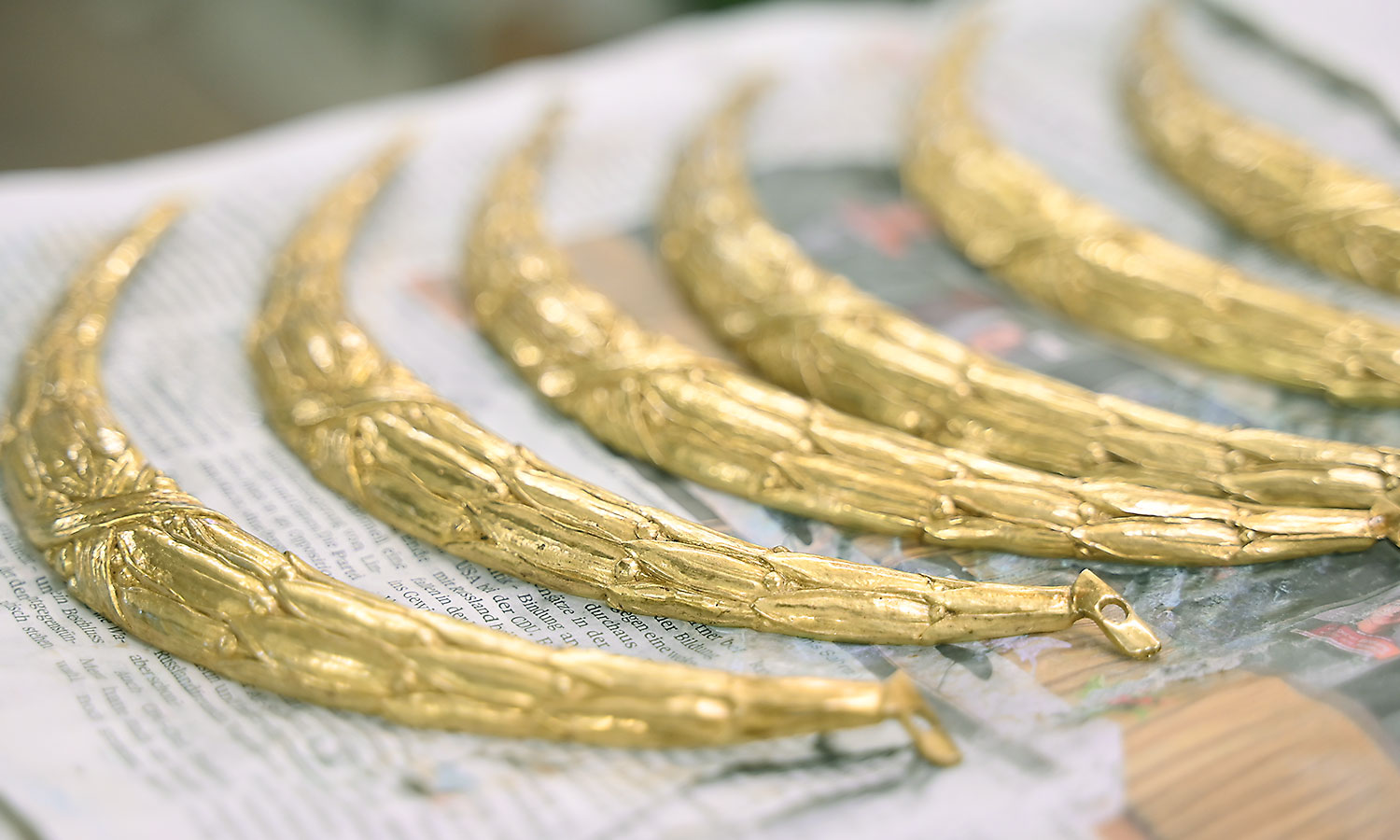
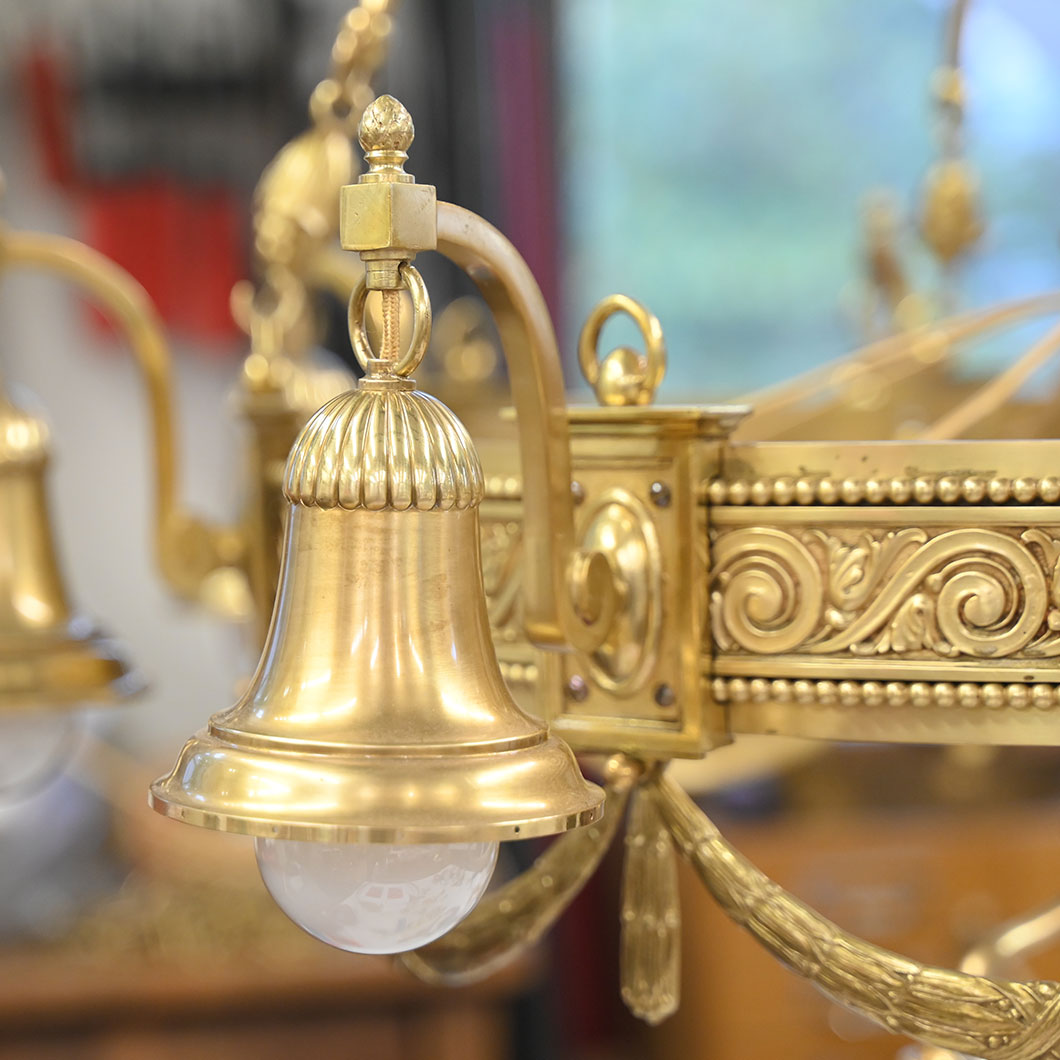
Art Nouveau luminaire, no.2023
With this depth of knowledge, historical objects can be integrated into a contemporary context – whether as a sparkling chandelier casting a warm light across a room or a piece of furniture over two hundred years old finding its place within a modern interior.
Today, many interiors are defined by a restrained and minimalist aesthetic. Clean lines, reduced forms and a deliberately subtle colour palette dominate. Materials such as glass, steel and concrete shape a style that can be described as rational, functional and understated.
Functionality takes precedence, decoration is used sparingly, and every element follows a clear design logic. It is precisely in such environments that authentic pieces reveal their full impact.
An ornate chandelier, an antique secretary or a historical piece of furniture creates a deliberate counterpoint to the austerity of modern design. These objects tell stories, carry the traces of time and add an additional dimension to a space. They bridge past and present and create an emotional connection that goes beyond pure functionality.
The result is a compelling interplay between clarity and character. Warmth, history and a sense of soul enter the space without disrupting its modern aesthetic. Instead, the atmosphere is enriched and individualised. The well-being of those who inhabit the space is influenced in subtle yet tangible ways – the room becomes more vibrant, personal and inviting.
→ The nine stages of restoration
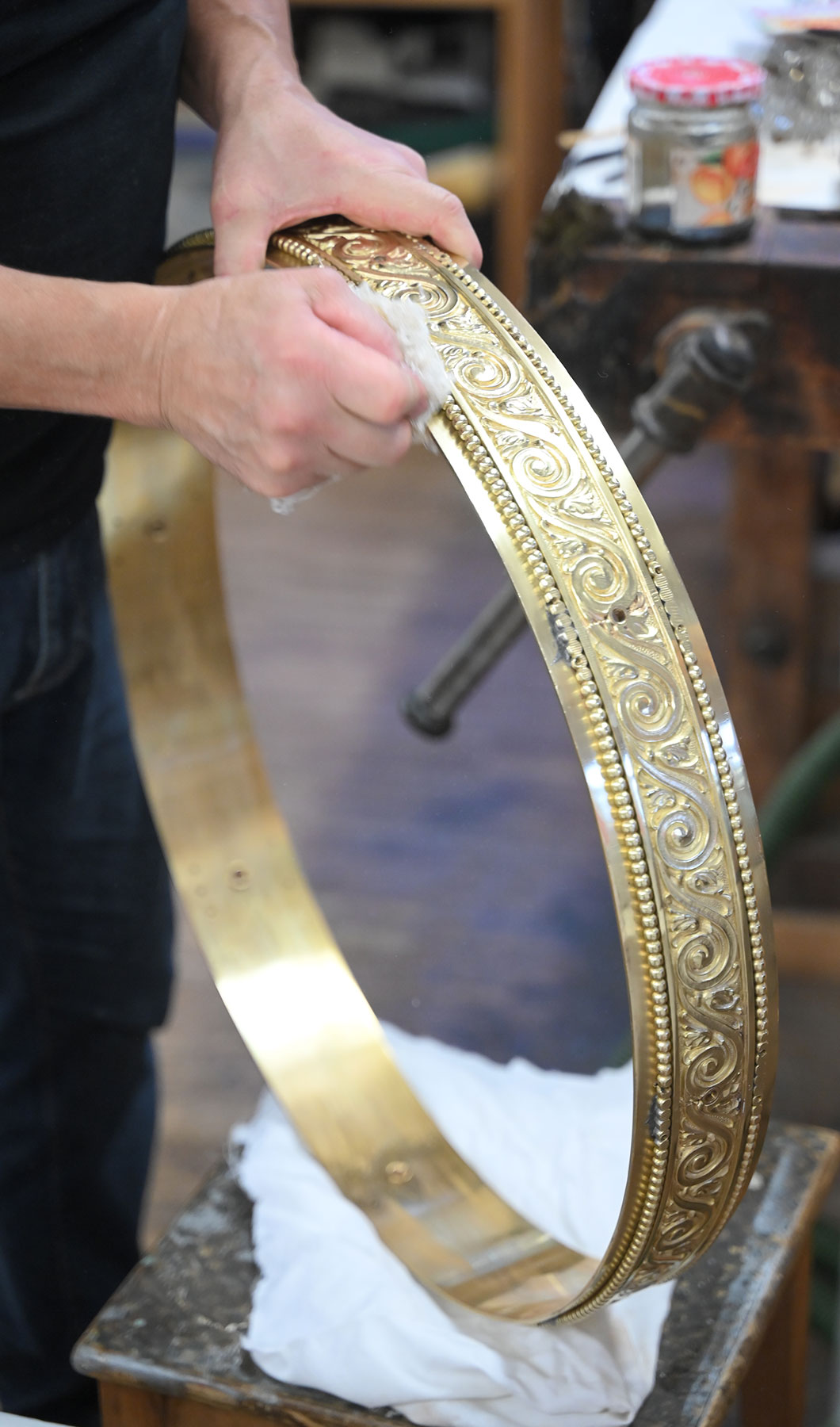
Chandeliers and wall lights are key elements in historical buildings, palaces and churches. Their restoration aims to recover their original beauty and functionality without compromising their historical authenticity.
4
5
6
7
8
9
Open Glass Studio –
eine der wenigen Glasbläsereien
der Schweiz
Leuchten restaurieren heisst oft auch Gläser ersetzen, Glasstäbe, Gloschen und anderes nach exakten Vorgaben anfertigen lassen. Kein leichter Job!
Wir arbeiten eng mit Open Glass Studio in Fribourg zusammen. Dort finden wir ein Team aus echten Profis, die mit viel Gespür für die Materie und Herzblut für ihre Erzeugnisse einen fantastischen Job machen. Alles in Handarbeit versteht sich.

Von A wie «Abbeizen» bis Z wie «Zur Vollendung bringen» –
das sind meine Kompetenzen

Leidenschaft
We approach construction differently, delivering value beyond our client’s expectations.
fundiertes Fachwissen
We employ an open and collaborative approach with our partners.
Respekt vor der Historie
Our team is composed of the best and brightest in the industry.
Nationwide
We have the ability to go wherever our clients need, delivering in over 15 states.
→ Research at the Thun City Archives
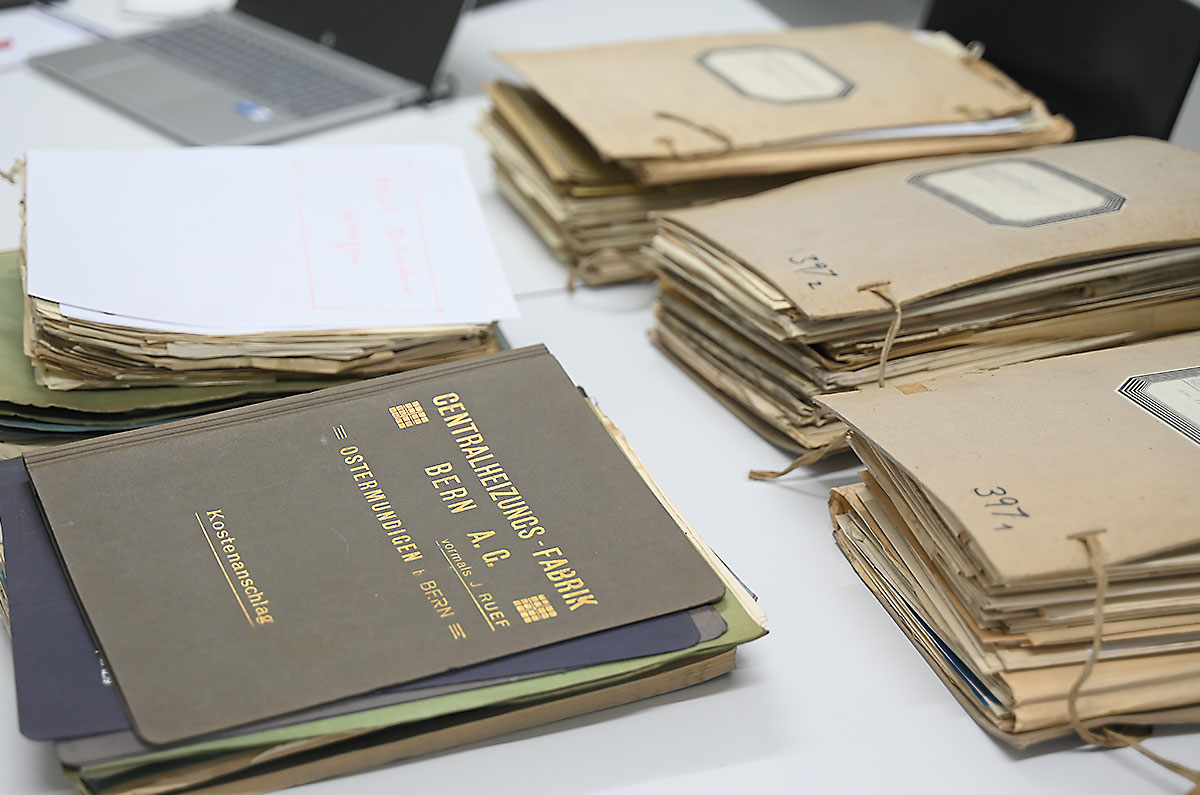
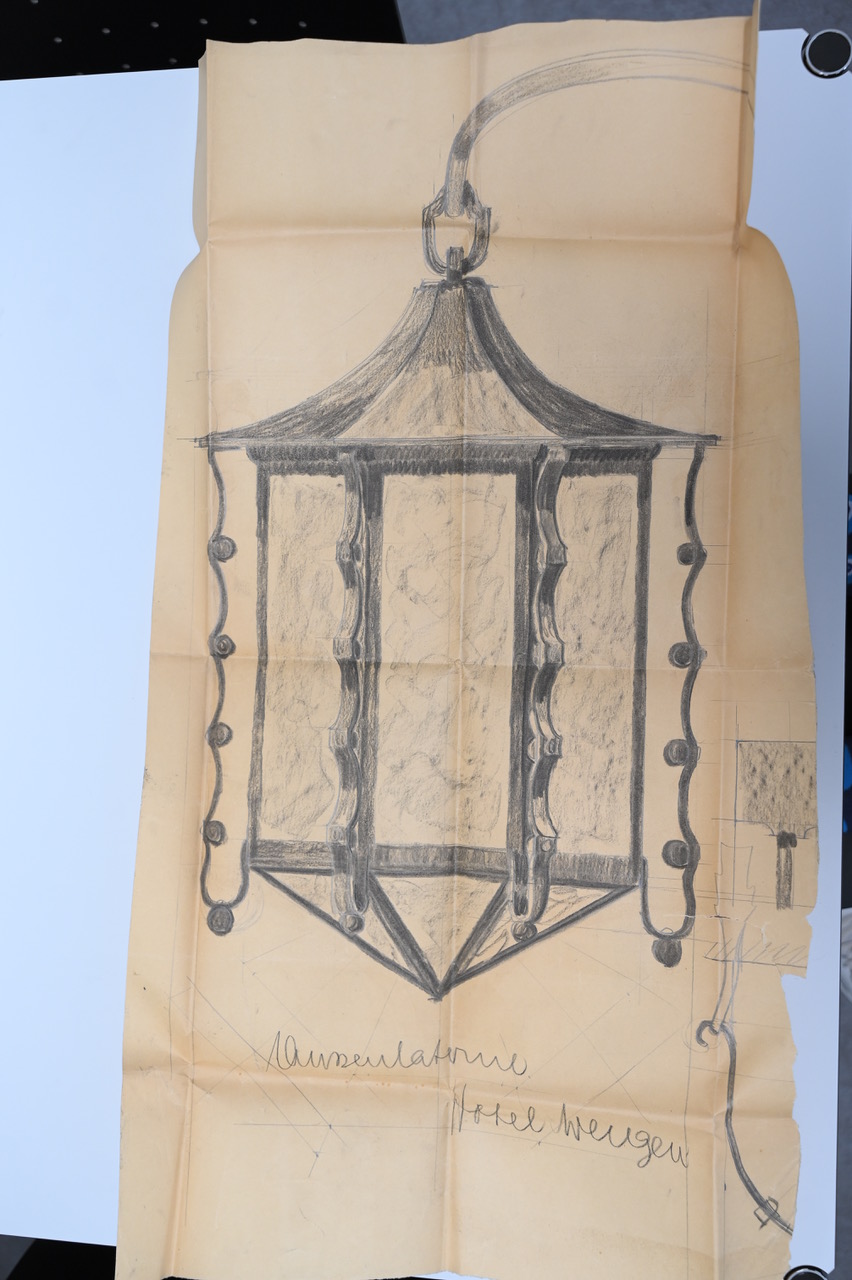
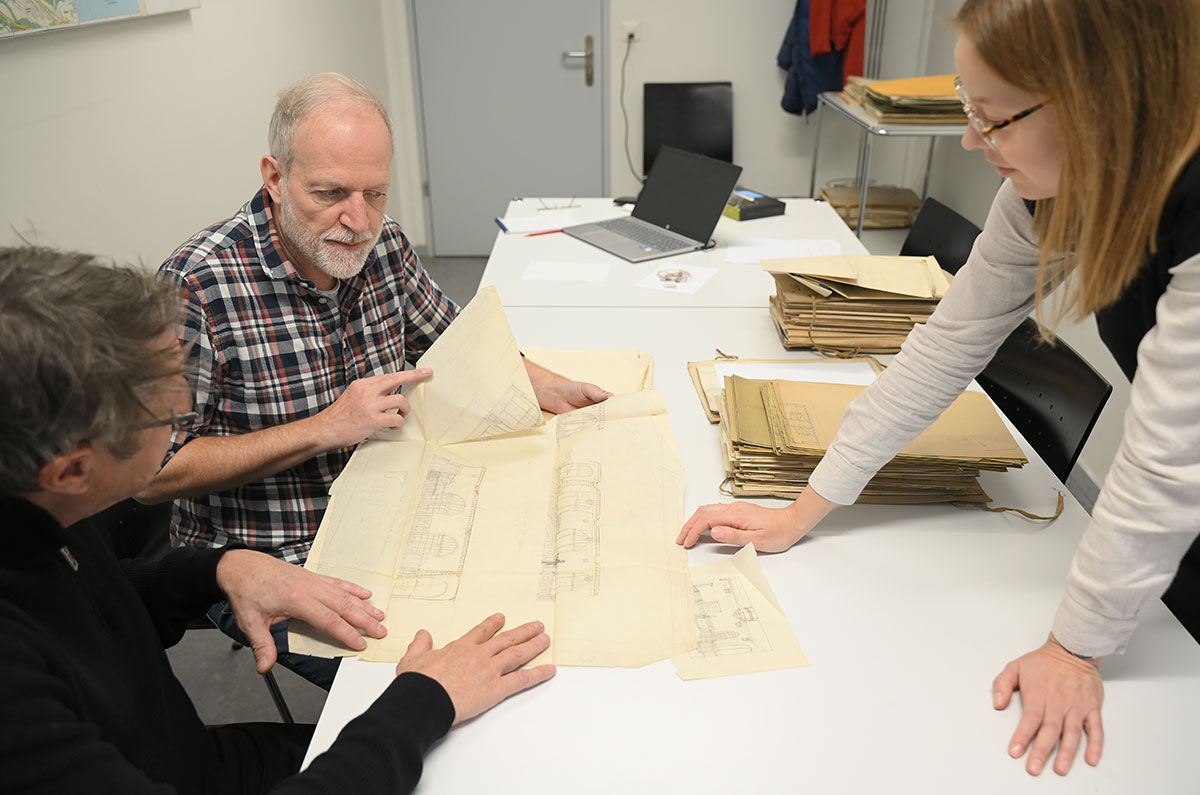
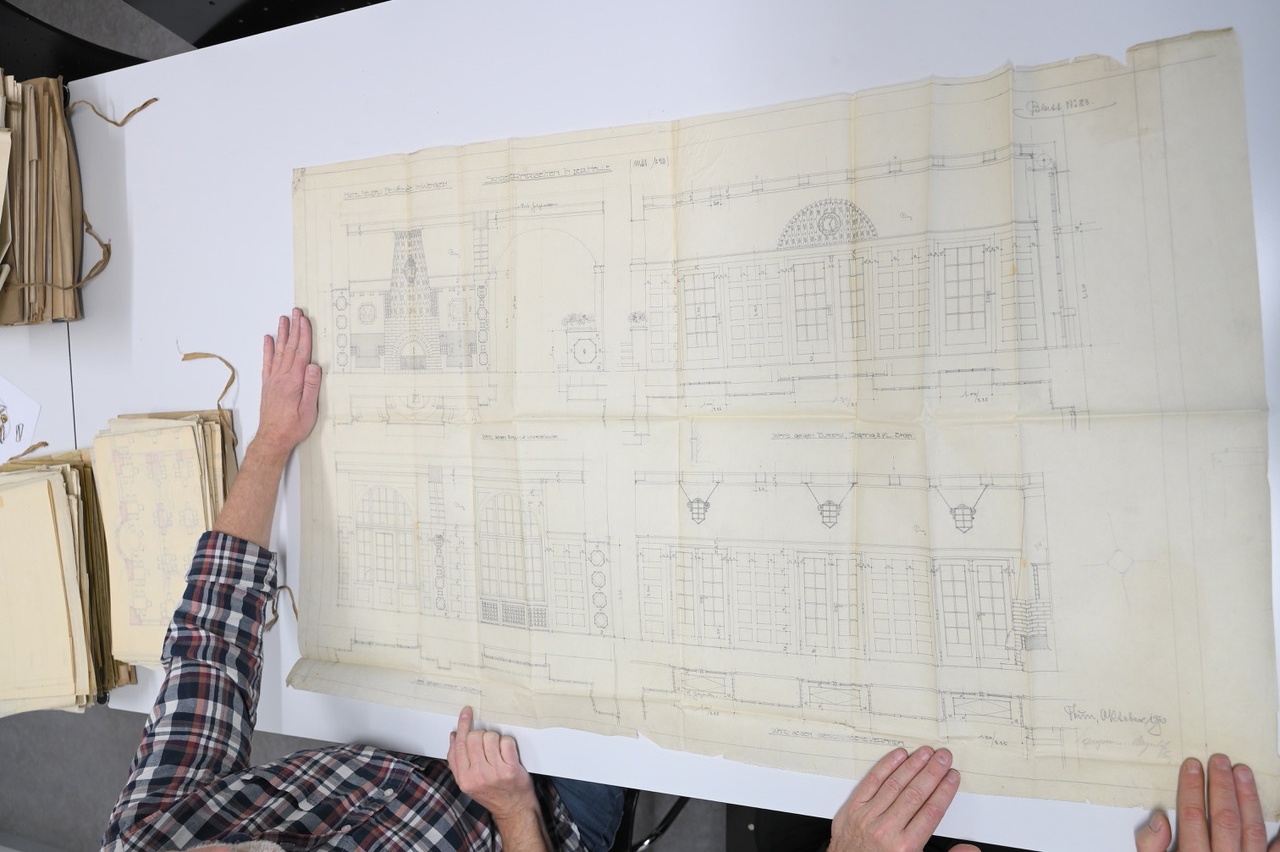
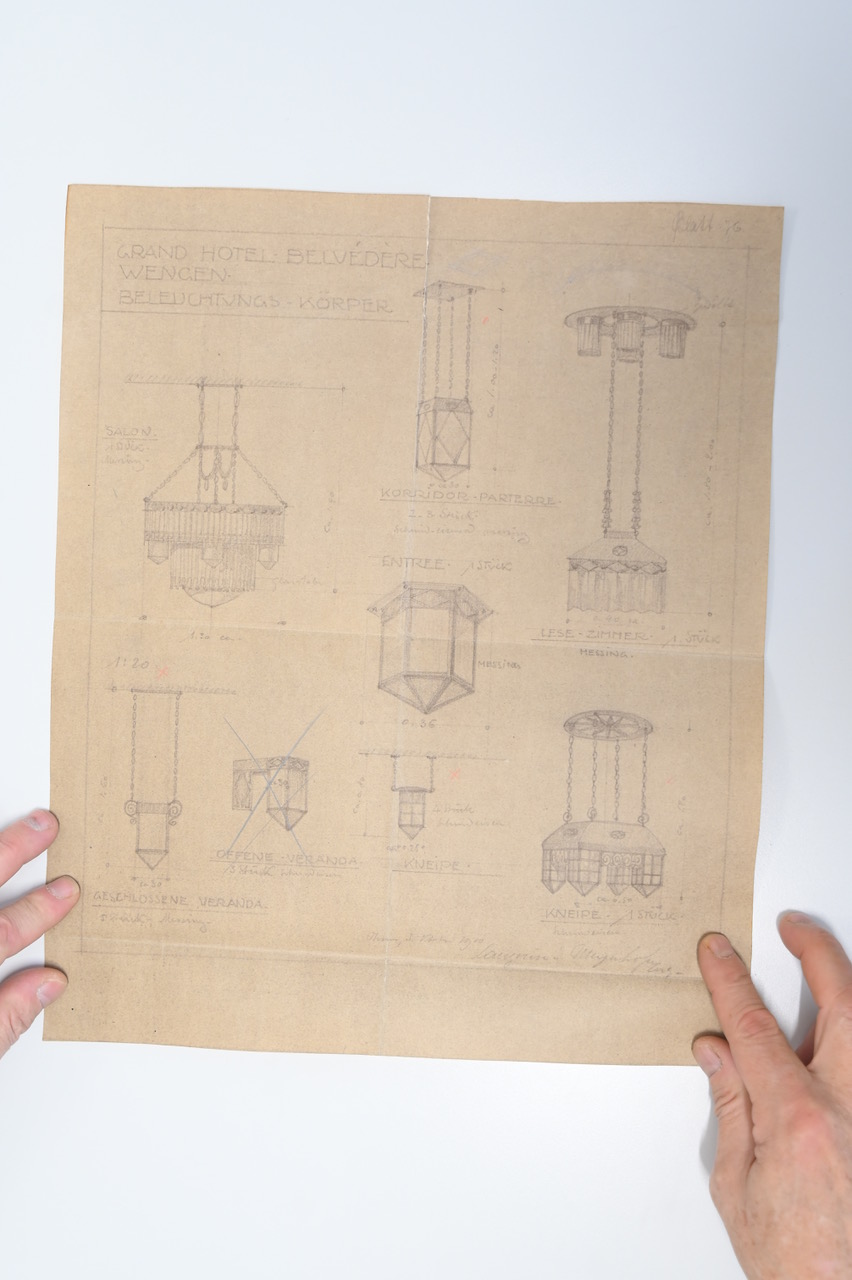
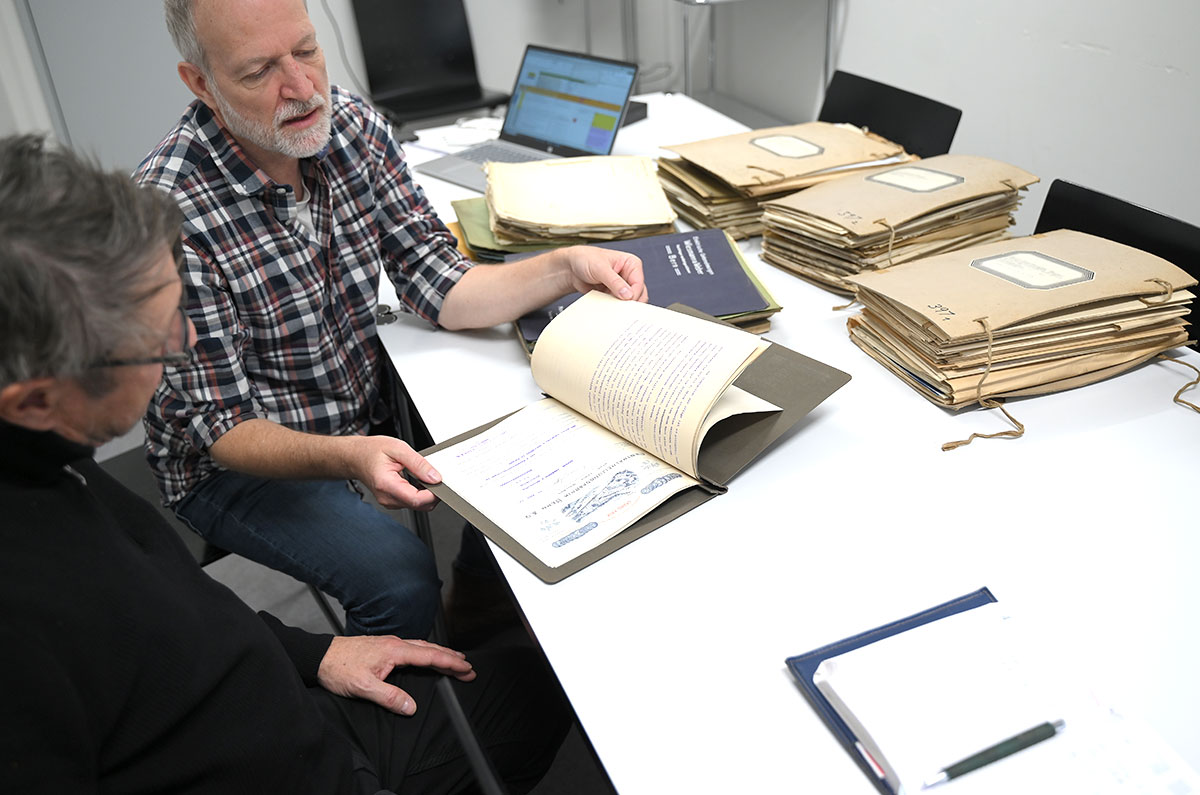
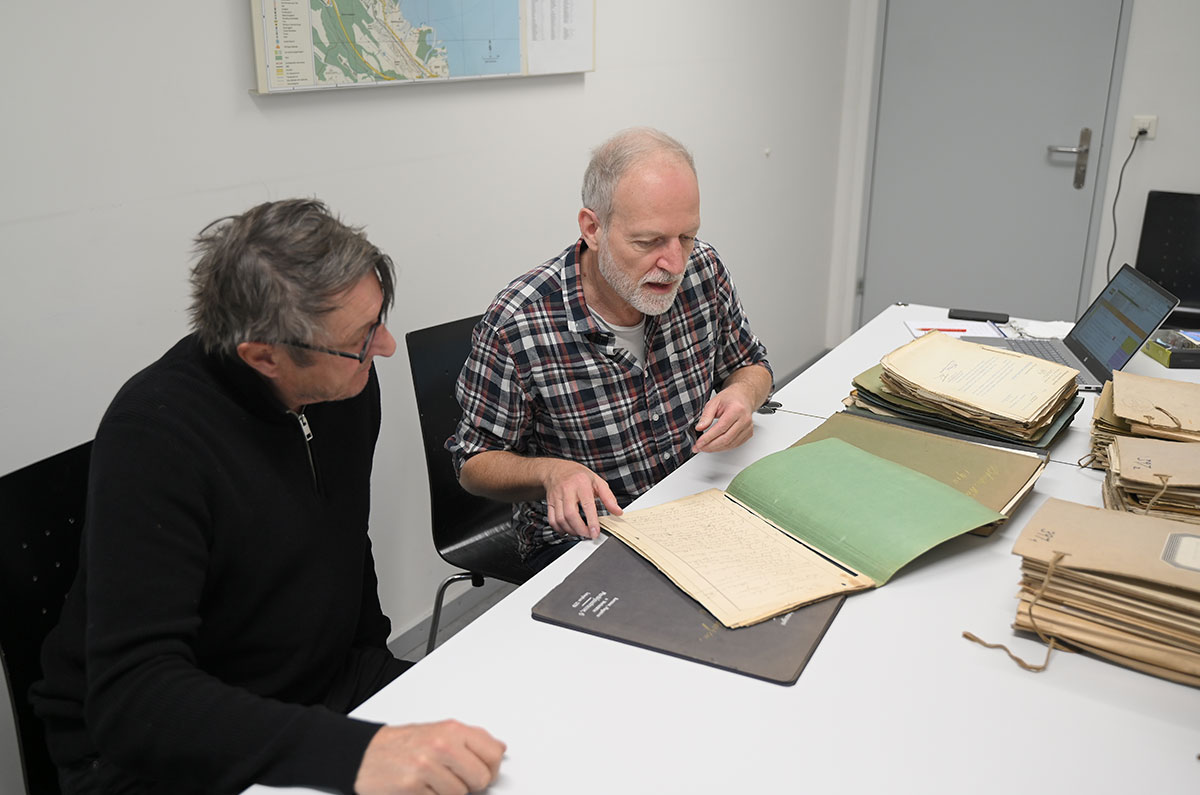
The visit to the Thun City Archives was far more than a research task – it was a journey into the past. Thanks to meticulous archiving, we were able to reconstruct the history of the lighting at Hotel Belvédère in Wengen step by step.
Among aged drawings, handwritten notes and technical plans, the care and design ambition of earlier generations became evident. These documents offered insight not only into the architectural development, but also into historical concepts of atmosphere and lighting.
At the same time, they highlighted the immense value of complete documentation. Historical information is often fragmentary – making each preserved source all the more significant. That we are able to document the lighting history so precisely today is due to the foresight and precision of the Thun archives.